Plantain (Plantago major & Plantago lanceolata): A Common Yard Weed With Powerful Medicinal Uses
If you’ve ever pulled weeds from your garden or mowed your lawn, chances are you’ve walked past plantain more times than you can count. Often dismissed as a nuisance, this humble plant is actually one of the most reliable and versatile medicinal herbs you can forage — and in many regions, it can be found nearly year-round.
In this guide, we’ll look at how to identify plantain, how it’s traditionally used while fresh, safe harvesting practices, and the best ways to preserve it for long-term use.
What Is Plantain?
Medicinal plantain should not be confused with the banana-like fruit. The plant we’re talking about belongs to the Plantago genus, with two species commonly used in herbal medicine:
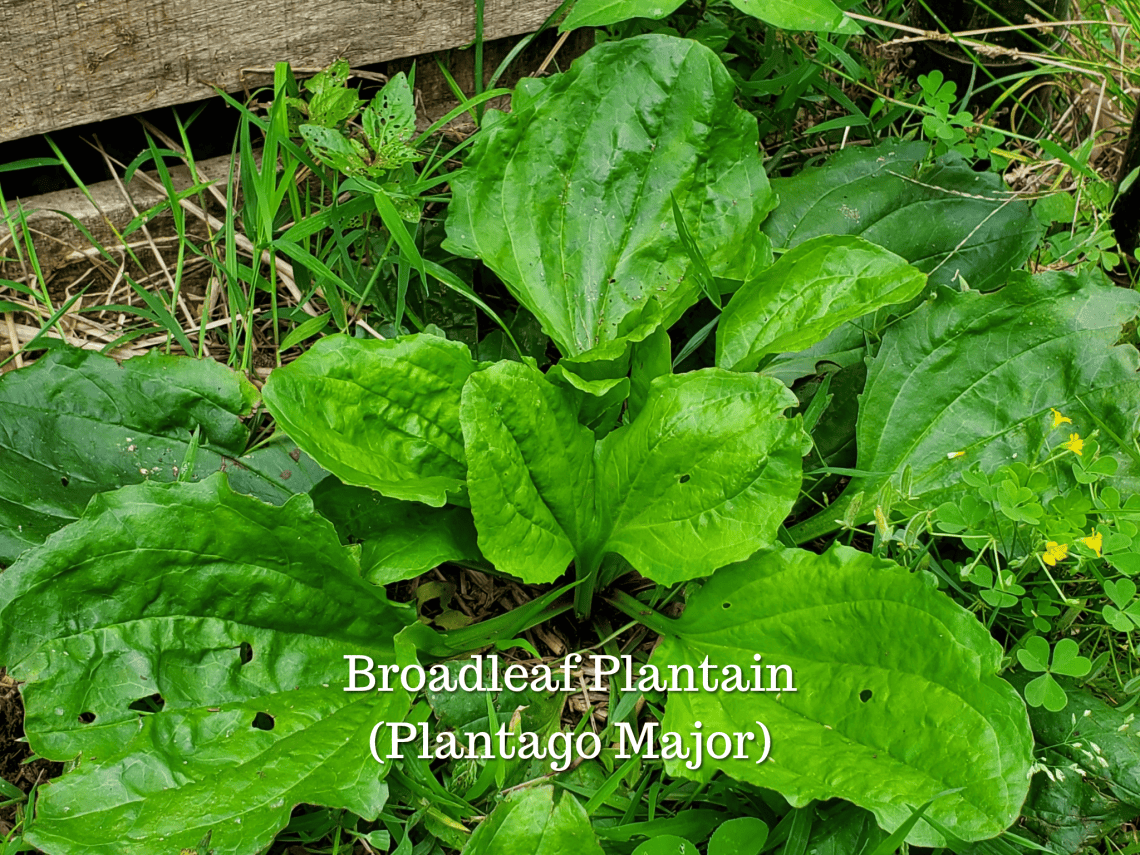
- Plantago major (Broadleaf plantain) — wide, oval leaves that grow close to the ground
- Plantago lanceolata (Narrowleaf or ribwort plantain) — long, narrow, lance-shaped leaves
Both species share similar medicinal properties and can be used interchangeably in most herbal preparations.
How to Identify Plantain in the Wild
Correct identification is key when foraging any medicinal herb.
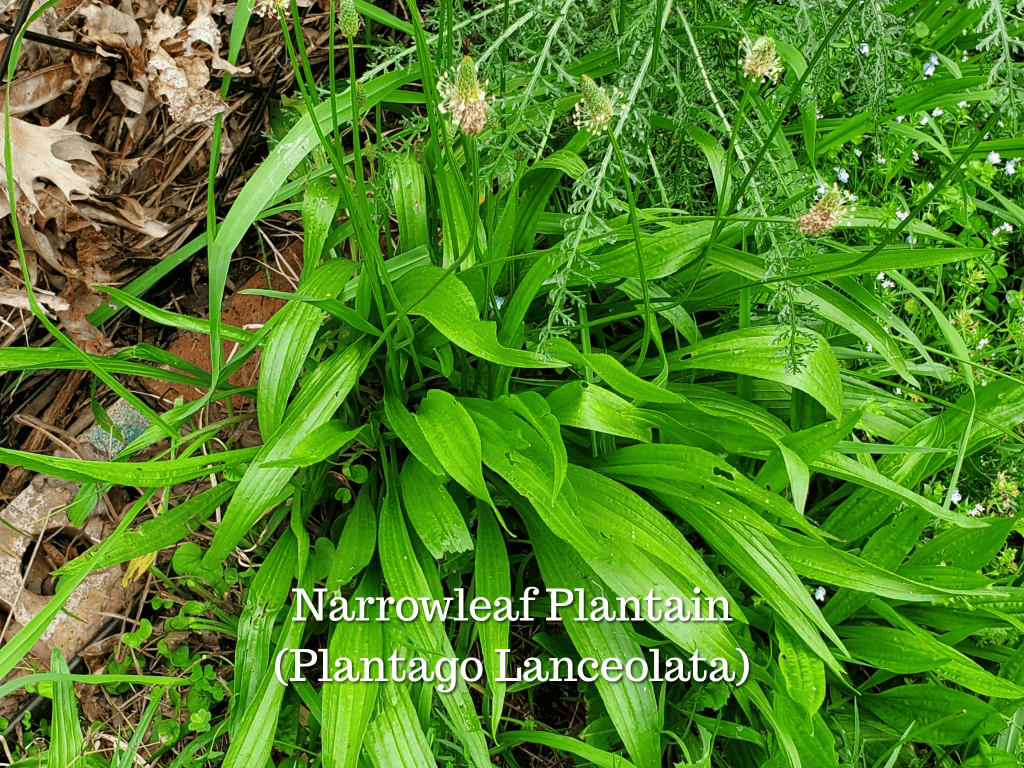
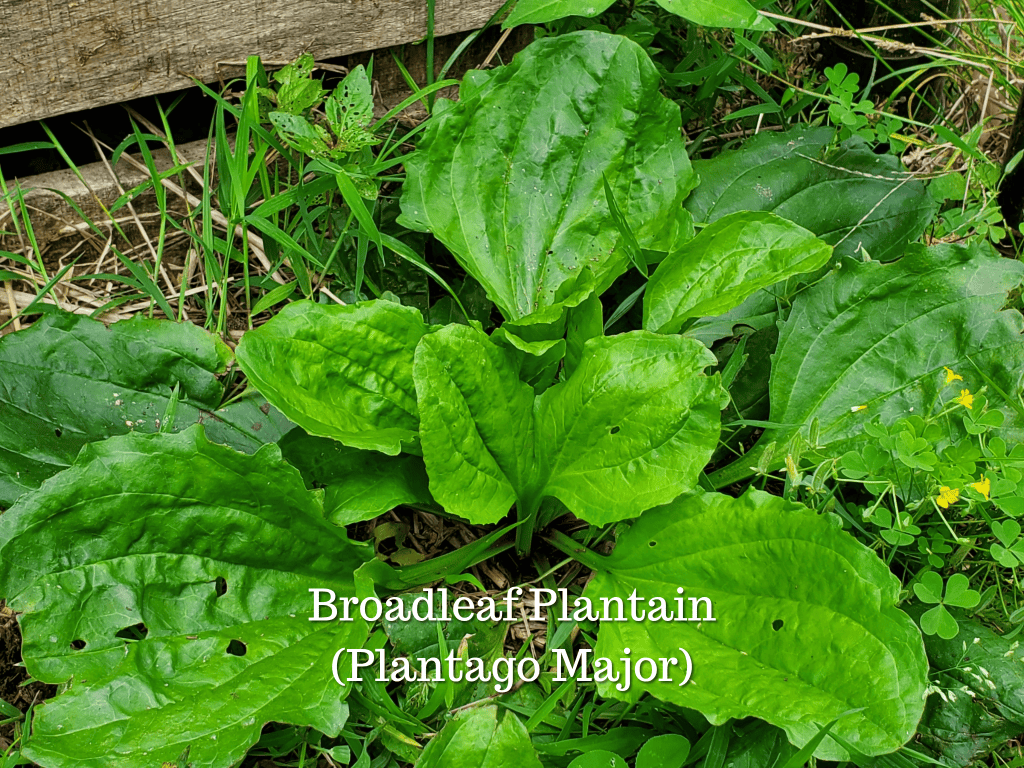
Plantain leaves grow in a basal rosette, meaning the leaves emerge from a central point at ground level. One of the easiest ways to confirm identification is by looking at the veins — plantain leaves have distinct parallel veins that run from the base of the leaf all the way to the tip. When gently pulled apart, these veins often appear stringy.
Plantain is commonly found in:
- Lawns and yards
- Garden paths
- Driveways and compacted soil
- Field edges
It thrives where the soil has been disturbed, which is why it’s so widespread.
Fresh Plantain Uses
Fresh plantain has long been valued as a first-aid herb. Traditionally, the leaves are used externally and work best when applied soon after harvesting.
Common fresh uses include:
- Bug bites and stings
- Minor cuts and scrapes
- Splinters
- Skin irritation, rashes, and itching
A simple fresh poultice can be made by chewing or crushing clean leaves and applying them directly to the affected area. This method has been used for generations and is one of the easiest ways to experience plantain’s benefits.
Harvesting Safety & Cautions
Because plantain often grows in disturbed areas, harvesting location matters.
Avoid harvesting plantain:
- Along busy roadsides
- In areas prone to flooding
- Near agricultural fields that may be sprayed
- Anywhere exposed to chemical runoff or animal waste
Choose clean, chemical-free areas and harvest healthy, vibrant leaves. When in doubt, skip a patch — plantain is abundant, and safer options are usually nearby.
Preserving Plantain for Year-Round Use
Plantain is easy to preserve, making it a valuable herb to keep on hand.
Drying
Leaves can be air-dried and stored for tea or powdered for later use. Dried plantain is often used in teas for gentle respiratory and internal support.
Oil Infusions
Dried leaves can be infused in oil and later turned into salves or balms for skin care and herbal first aid.
Freezing
Fresh leaves can be frozen whole or chopped, making them easy to use for poultices even when the plant isn’t actively growing.
Tinctures
Plantain tinctures provide long-term storage and are commonly used as part of an herbal first-aid kit.
Using Plantain After It’s Preserved
Once preserved, plantain can be used in:
- Salves and balms for skin support
- Teas
- Herbal powders added to poultices
- Tinctures for year-round accessibility
Its versatility makes it a staple herb for beginner and experienced herbalists alike.
Learn More: Free Herbal Guide
If you’re interested in learning how to confidently identify, grow, harvest, and use medicinal herbs at home, I’ve put together a free herbal guide designed for real-life homesteads and busy families.
Download the free herbal guide here: Free Herbal Guide
Final Thoughts
Plantain is a reminder that some of the most powerful herbal remedies aren’t rare or exotic — they’re growing quietly under our feet. With proper identification, mindful harvesting, and simple preservation methods, this common “weed” can become a dependable part of your home herbal toolkit.
This article is for educational purposes only and is not intended as medical advice.


You May Also Like
From Pen to Pasture: Ducklings First Free-Range Day
Last-Minute Christmas Gifts for Homesteaders (15 Useful Ideas)